Professional human translation is the gold standard of quality. It’s tough to beat subject matter experts at translating important pages and documents. But the quality comes at a cost, ranging from $24-$56 per hour.
AI translation has emerged as a solid choice in recent years, with better and better understanding of context and culture. Although it’s inexpensive, it may not always be perfectly brand-safe.So how do you reduce human translation costs without sacrificing quality? Let’s explore how human/AI translation hybrid is the best middle ground
AI Translation vs. Human Translation: Why Smart Teams Use Both
Businesses need to communicate across borders faster than ever. That’s why translation has shifted from a slow, manual process to a mix of AI tools and human expertise.
Here’s how the two compare, and why the best results come from combining them.
Speed and Scale: Where AI Excels
No one can argue that AI translation is the fastest way to translate your content. The latest technology can translate an entire novel in less than two minutes.
That makes it ideal for low-risk content like:
- Intranet sites and internal communication
- Support documentation
- Product listings
- User reviews
If you’re juggling dozens of languages or racing to meet a deadline, AI offers unmatched cost savings and speed.
Cost Efficiency: How AI Cuts Translation Spend
According to Slator, 96% of companies using AI translation technology reported a positive ROI for localization projects, making it a key revenue driver.
The cost of human translation ranges between .10-.30 cents per word. Instead of paying for every word to be translated manually, companies can let AI handle the heavy lifting and bring in human experts for refinement.
This hybrid mix of humans and AI helps global teams slash translation budgets without sacrificing quality—ultimately bringing the ROI of localization even higher.
Quality and Nuance: Why Humans Still Matter
Even though AI can deliver almost human-level translation, it can occasionally miss context or get the details wrong. Plus, large language models are only trained up to a certain point in time, so they can miss timely details or evolving language trends.
That’s why human translators are critical when:
- Cultural nuance matters
- Voice and tone need to match your brand
- Accuracy is non-negotiable (legal or marketing content)
A human safety net ensures accuracy and protects brand reputation.
The Best of Both Worlds
The smartest option is a hybrid approach: let AI handle bulk translation, then bring in a human translator to refine and adapt content. For high-impact content, this extra step avoids costly mistakes.
AI isn’t replacing human translators; it’s reshaping their role. Translators are using AI to work faster and smarter. Many teams already follow this model: AI for speed, humans for polish.
AI translations are often close to human quality, especially for common languages. But they’re not flawless. Knowing when to trust AI and when to involve a human is key.
When AI Is “Good Enough”
- Internal documents
- Team chats or memos
- User-generated content
- Help documentation
When to Bring in a Human
- Marketing copy
- Creative brand campaigns
- Legal agreements
- Important product descriptions and policies
- Anything public-facing
Scale Global Growth with AI-Powered Translation
Modern translation management systems (TMS) like Localize use built-in AI to make global content effortless. With everything from human translators to AI engines in one platform, teams move faster and scale smarter.
How Localize Puts AI to Work
Here’s how Localize helps brands translate a full website in under an hour.
Step 1: Translate Instantly
Drop in the Localize snippet, activate the AI Style Guide, and click once to translate your entire site using the latest engines from Google, DeepL, Amazon, or Microsoft.
Step 2: Preview in Real Time
See your translations live on your site with the On-Page Editor. Make quick in-context edits so everything looks and reads right the first time.
Step 3: Optimize with One-Click AI
Tweak translations instantly. Too-long CTA? The Shorten AI tool suggests a punchy alternative. AI Insights also checks tone, formality, and style for brand alignment.
Step 4: Add Human Finesse
For high-stakes content, order professional translations through built-in partners like TextMaster or Gengo—right inside Localize.
Step 5: Stay Always-On
When your source content changes, Localize automatically detects it and updates translations across every language. No lag, no manual work, thanks to the power of automation.
Translate Smarter, Not Harder
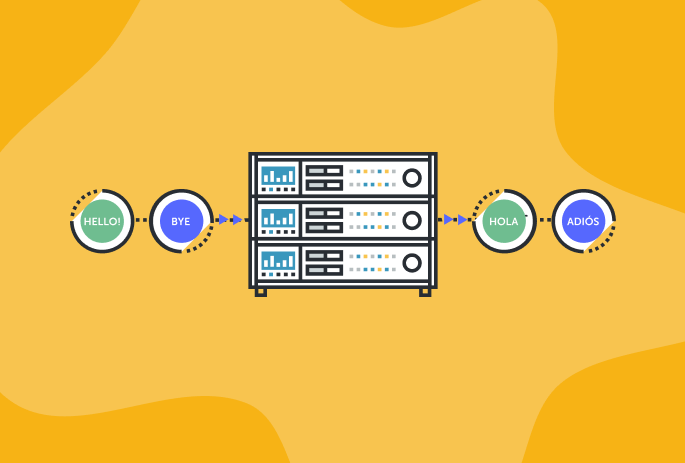
With Localize, AI and human expertise combine to simplify global expansion.
Instead of juggling multiple tools or waiting weeks for updates, your team can translate, review, and publish in one streamlined platform. This means faster workflows, lower costs, and translations that actually read like they were written for your audience.
The takeaway is clear: AI + human workflows = savings + quality. By letting AI handle the repetitive tasks and keeping humans focused on nuance, you get the best of both worlds—speed without sacrificing accuracy.
If you’re ready to take the guesswork out of going global, see what Localize can do. Explore Localize’s AI translation tools and give your team the power to launch global-ready content in minutes, not months.


%20(1).jpg)